

Hospitals That Heal: The Forgotten Power of Vastu Shastra in Healthcare Design
When Walls Become Medicine
A patient lies in a hospital bed, anxiety mounting with each passing hour. The ceiling is white. The walls are sterile gray. The air feels heavy. Recovery feels impossibly distant.
But three floors above, in another hospital across the city, a different scene unfolds. A patient in similar condition sits by a window overlooking a carefully landscaped garden. Natural light floods the room. A healing botanical painting adorns the wall. The space breathes with positive energy. Within days, they’re walking. Within weeks, they’re home.
What’s the difference?
The answer isn’t in the medications or the doctors. It’s in something far more fundamental: the vibes of the healing space itself.
For thousands of years, Vastu Shastra, an ancient Indian science of spatial harmony, has understood what modern medicine is only now beginning to acknowledge: Your environment is your medicine. The layout, orientation, proportions, and energy flow of a hospital aren’t decorative afterthoughts. They are the invisible architecture of recovery itself.
The Cost of Ignoring Hospital Vastu Design: A Silent Crisis

Dental clinic Vastu

Healthcare administrators understand the numbers. Hospital operational costs are staggering. Patient recovery times directly impact bed availability, revenue, and reputation. Infection rates can devastate institutional credibility. Staff burnout leads to poor care and high turnover.
Yet most hospitals overlook the single most powerful factor influencing all these metrics: spatial design aligned with natural law.
When hospital environments are misaligned with fundamental principles of energy flow, harmony, and natural elements, the consequences cascade:
-
Longer recovery times = extended hospital stays = reduced profitability
-
Higher infection rates = liability exposure and reputation damage
-
Increased patient anxiety = higher pain perception = more medication use
-
Staff dissatisfaction = poor care quality = patient dissatisfaction
-
Negative reputation = reduced patient inflow = financial decline
But what if you could reverse these trends, not through expensive equipment or additional staff, but through intelligent spatial design?
The Science Behind the Spaces: Why Vastu Works
Vastu Shastra isn’t mysticism. It’s a sophisticated understanding of how natural forces i.e. light, water, earth, air, and space-influence human physiology, psychology, and spiritual wellbeing. When these elements are harmoniously positioned, they create what modern research calls “therapeutic environments.”
The evidence is compelling:
Patients with plants and flowers in their hospital room recovered significantly faster from surgery and required less pain medication. They experienced lower anxiety and fatigue. Patient satisfaction with facility cleanliness increased dramatically.
The prayed-for patients in Dr. Randolph Byrd’s landmark coronary care study were five times less likely to require antibiotics and three times less likely to suffer lung complications, simply because they received prayer and positive intention. Imagine what hospitals aligned with Vastu principles could achieve.
Research from Kansas State University demonstrates that adding plants to hospital rooms speeds surgical recovery rates. Not marginally. Significantly.
These aren’t coincidences. They’re evidence of a fundamental truth: healing doesn’t happen in isolation from the environment. The environment IS part of the healing.
The Sacred Blueprint: Key Vastu Principles for Hospital Design
When designing or renovating a hospital according to Vastu Shastra, every element matters. The positioning of rooms isn’t arbitrary. The orientation of patient beds isn’t decorative. The location of the entrance, the flow of natural light, the presence of water elements, each creates either harmony or discord in the healing space.
External Environment & Entrance
The hospital’s surrounding landscape and main entrance set the energetic tone for everything inside. A properly oriented entrance with balanced elemental design creates a sense of safety and welcome from the moment patients arrive. This isn’t luxury, it’s the threshold between illness and healing.
The Patient Room: Where Recovery Truly Happens
A patient spends hours-sometimes days in their hospital room. The direction they face, the quality of light they receive, the flow of air through the space, and the visual elements they absorb all influence their nervous system and recovery capacity. Rooms designed according to Vastu principles promote calm, reduce pain perception, and accelerate healing at a cellular level.
The Operating Theatre: Sacred Space for Miracles
Surgery is where life hangs in the balance. A Vastu-aligned operation theatre optimizes surgeon focus, reduces complications, and creates an energetically supported space for medical intervention. The precision of ancient design principles applied to modern medical practice.
Doctor’s Consulting Room: Where Trust Is Built
Patients form critical judgments about their care in the consulting room. A space designed with proper Vastu principles like balanced light, positive color psychology, harmonious proportions that creates an environment where patients feel heard, cared for, and hopeful. This emotional state itself accelerates healing.
Prayer & Meditation Spaces: The Soul’s Healing Ground
Every hospital needs a sanctuary, a tranquility zone where patients, families, and staff can connect to something larger than illness. Research definitively shows that prayer and meditation enhance recovery. When hospitals provide dedicated, beautifully designed spiritual spaces, they acknowledge a profound healing truth: the spirit must heal for the body to truly recover.
Staff Areas: Creating Compassionate Care
Burned-out doctors and nurses cannot provide excellent care. When hospital offices, break rooms, and administrative spaces are designed with Vastu principles, staff experience reduced stress, improved morale, and renewed sense of purpose. A happy, energized healthcare team is better equipped to provide compassionate, attentive care.
Other Critical Zones
-
Waiting Areas & Reception: Create calm anticipation instead of anxiety
-
ICU & Critical Care Units: Optimize positive energy when hope is most fragile
-
Admission & Medical Records: Organize the flow of information and care
-
Parking & Ambulance Areas: Manage the transition between outside world and healing space
-
Canteen & Staff Facilities: Support the wellbeing of those who give care
-
Medical Storage & Pharmacy: Organize healing resources for maximum efficacy
-
Electrical & Technical Systems: Ensure harmonious energy distribution throughout the facility
The Healing Power of Natural Elements: Nature as Medicine
Have you ever noticed how patients smile when they receive flowers? That smile isn’t just gratitude. It’s their entire being responding to the life force that flowers represent.
Modern healthcare often strips away natural elements in pursuit of sterility. But research conclusively demonstrates that this approach is counterproductive. Patients heal faster when surrounded by nature.
Plants: Living Medicine
Live plants in hospital rooms serve multiple functions:
-
Air purification: They filter harmful chemicals and toxins, creating healthier breathing spaces
-
Humidity regulation: They combat sick building syndrome and reduce dry air that triggers coughs
-
Psychological impact: The presence of life accelerates patient psychology from fear toward hope and recovery
-
Aesthetic warmth: They transform sterile medical spaces into comforting environments
A patient recovering from surgery doesn’t want to stare at blank walls. They want to witness life, the unfurling of leaves, the subtle growth of roots, the quiet persistence of living things. This witnessing accelerates their own recovery.
Natural Light: Liquid Gold
Sunlight isn’t a luxury. It’s medicine. Natural light regulates circadian rhythms, improves mood, reduces pain perception, and accelerates healing. Yet many hospital rooms are designed with minimal windows or diffused, artificial lighting.
Vastu-aligned hospital design maximizes natural light in patient areas while managing it thoughtfully in critical care zones. The result? Faster recovery, better sleep cycles, improved patient satisfaction.
Water Elements: The Flow of Healing
Water fountains, small water features, and visual connections to water create psychological calm and activate the parasympathetic nervous system, the body’s healing mode. In Vastu, water represents fluidity, emotional balance, and the free flow of life force energy.
Artwork & Visual Environment: Perception as Therapy
The artwork adorning hospital walls isn’t decoration. According to research published in the International Journal of Qualitative Studies in Health and Wellbeing, hospital art reduces pain through distraction and improves patient psychological outcomes.
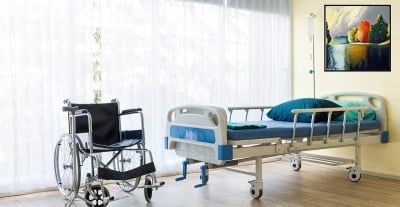
The most healing artwork features natural landscapes, animals, birds, water bodies, and mountains-images that reconnect patients to the beauty and resilience of the natural world. When a patient’s subconscious mind processes these images, they transmit messages of peace, strength, and recovery.
What Vastu-Aligned Hospitals Actually Achieve
When hospital administrators invest in Vastu-aligned design, they don’t just create prettier spaces. They unlock tangible, measurable improvements:
✓ Faster Patient Recovery Times = Reduced length of stay = Improved bed turnover = Increased revenue capacity
✓ Lower Infection Rates = Reduced complications = Better outcomes = Enhanced reputation and patient trust
✓ Decreased Pain Medication Use = Healthier recovery = Better long-term patient outcomes = Reduced pharmaceutical costs
✓ Higher Patient Satisfaction = Positive reviews = Increased patient referrals = Stronger market position
✓ Improved Staff Retention = Reduced recruitment and training costs = Better care consistency = Improved workplace culture
✓ Enhanced Hospital Reputation = Competitive advantage = Increased patient inflow = Sustainable growth
✓ Stronger Success Rates = Better medical outcomes = Enhanced credibility = Attraction of top talent
✓ Protected Healthcare Workers = Reduced burnout and illness = More compassionate care = Better team stability
The bottom line: Vastu-aligned hospital design is not a luxury. It’s a competitive necessity and a moral imperative.
Why Hospitals Need Spiritual Healing Spaces
Dr. Randolph Byrd’s prayer study wasn’t an outlier. Decades of research confirm: prayer and spiritual practice enhance healing at a measurable, statistically significant level.
Yet many modern hospitals treat spiritual care as an afterthought, a small chapel tucked away on an obscure floor.
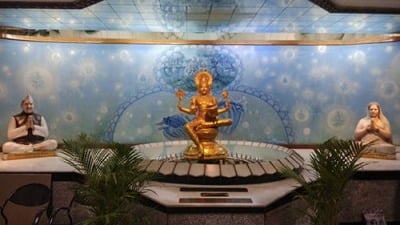
Photo courtesy-Hinduja hospital
Vastu Shastra teaches that every hospital should have a dedicated prayer and meditation zone-not as a religious accommodation, but as a fundamental healthcare necessity. When patients, families, and staff have access to a beautifully designed, energetically optimized space for prayer, meditation, and spiritual connection, something remarkable happens:
-
Anxiety decreases
-
Hope increases
-
Recovery accelerates
-
Pain perception diminishes
-
Families find peace during crisis
This isn’t metaphysical speculation. This is measurable healthcare outcomes driven by the human spirit’s capacity to heal.
Renovation vs. New Construction: Your Path Forward
Whether you’re planning a new hospital or rearranging an existing one, Vastu principles are adaptable to your constraints and budget.
New Construction offers the luxury of designing from first principles, optimal orientation, perfect proportions, harmonious elemental balance from the ground up. This is the ideal scenario, creating maximum healing potential.
Existing Facilities can still be transformed. Even strategic renovations, repositioning key departments, adding natural elements, optimizing patient room orientations, creating meditation spaces, create measurable improvements in healing outcomes and patient satisfaction.
The investment in Vastu-aligned design pays dividends in:
-
Faster recovery times (directly impacting your bottom line)
-
Better patient outcomes (protecting your reputation)
-
Staff satisfaction (reducing turnover costs)
-
Operational efficiency (improving financial sustainability)
-
Market differentiation (positioning your hospital as a leader in holistic healing)
Design Spaces Where Miracles Happen
Your hospital’s architecture is more than bricks and mortar. It’s the silent partner in every recovery, every victory, every patient who leaves healthier than they arrived.
When you align your hospital design with Vastu principles, you’re not adding aesthetic touches. You’re removing the invisible barriers to healing and creating spaces where medicine, science, and the natural law of cosmic harmony work together.
The question isn’t whether your hospital can afford to invest in Vastu-aligned design. The question is: Can you afford not to?
Every day without optimization is a day when patients recover slower, staff burn out faster, and your competitive advantage diminishes. Every day with Vastu alignment is a day when your hospital becomes what it’s truly meant to be: a sanctuary of healing, where design itself becomes medicine.
Your hospital’s transformation begins with a single decision: to acknowledge that environment is medicine. To honor the ancient science that understands healing more completely than sterile modernism ever could. To create spaces where every wall supports recovery, every room accelerates healing, and every patient leaves not just alive, but restored.
That is the power of Vastu Shastra in healthcare. That is the future of hospitals.
What is the Significance of a Vastu Shastra in the Hospital or Health care center?
 We have seen an unhappy work environment in many working spaces. You know as soon as you walk through the entrance when visitors are not happy, staff seem to be unfriendly, or the coworker interactions you see are less than kind. It is most likely a result of a situation that is impacted by a negative environment. It is important to maintain a positive energetic environment in the healthcare workplace.
Vastu is a positive force and enhances your space with cheerful vibrations. It promotes vitality and every sector of your premises. It is impossible to experience better healing without positive forces.
What is your premises actually costing you?
On commercial and industrial sites the Vastu problems that matter are rarely decorative. Entrance position, owner seating, the fire zone and where cash and stock sit tend to decide whether a place runs smoothly or fights you. Send a layout and a compass reading for an assessment of your own site. Nitien Parmar has been reading commercial plans since 1991.
Our Valued Clients


